What a backtest really tells you
Backtesting means applying a defined set of rules to historical data to see how a strategy would have behaved. It is not a forecast and it cannot prove that future results will look the same. Its job is to show whether an idea is coherent, measurable and worth testing further.
The value is not in finding the smoothest equity curve. It lies in building a process you can repeat without changing the rules once you have seen the outcome.
1. Write the rules before you begin
Define the instrument, timeframe, entry conditions, invalidation, exit and risk management. A useful rule should be clear enough for someone else to recognise it in the same way. If part of the decision remains discretionary, say so and track it separately.
- What creates the setup?
- What triggers the entry?
- When is the idea no longer valid?
- How is risk sized?
- When and why is the position closed?
2. Choose a representative sample
A short period may contain only one type of market. Include trends, ranges and different levels of volatility. Keep the instrument, timeframe and execution assumptions consistent, or you will not know whether the difference came from the strategy or from the way you tested it.
3. Use replay to reduce hindsight
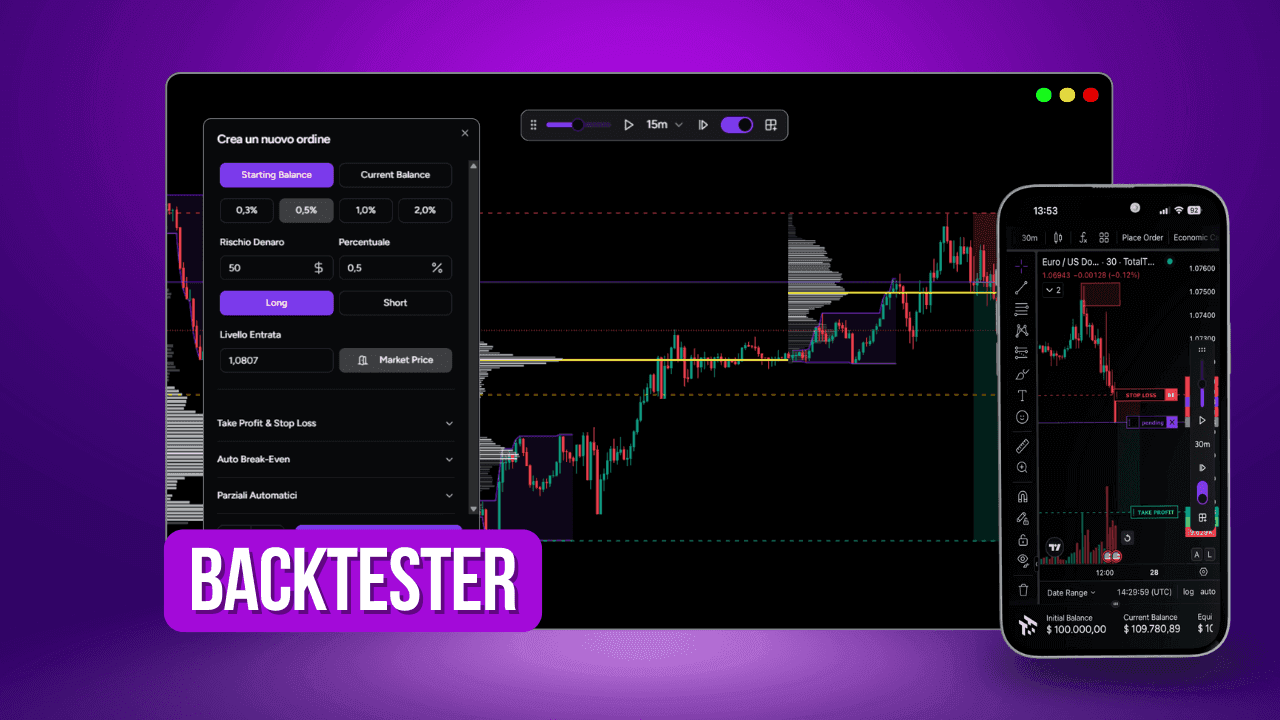
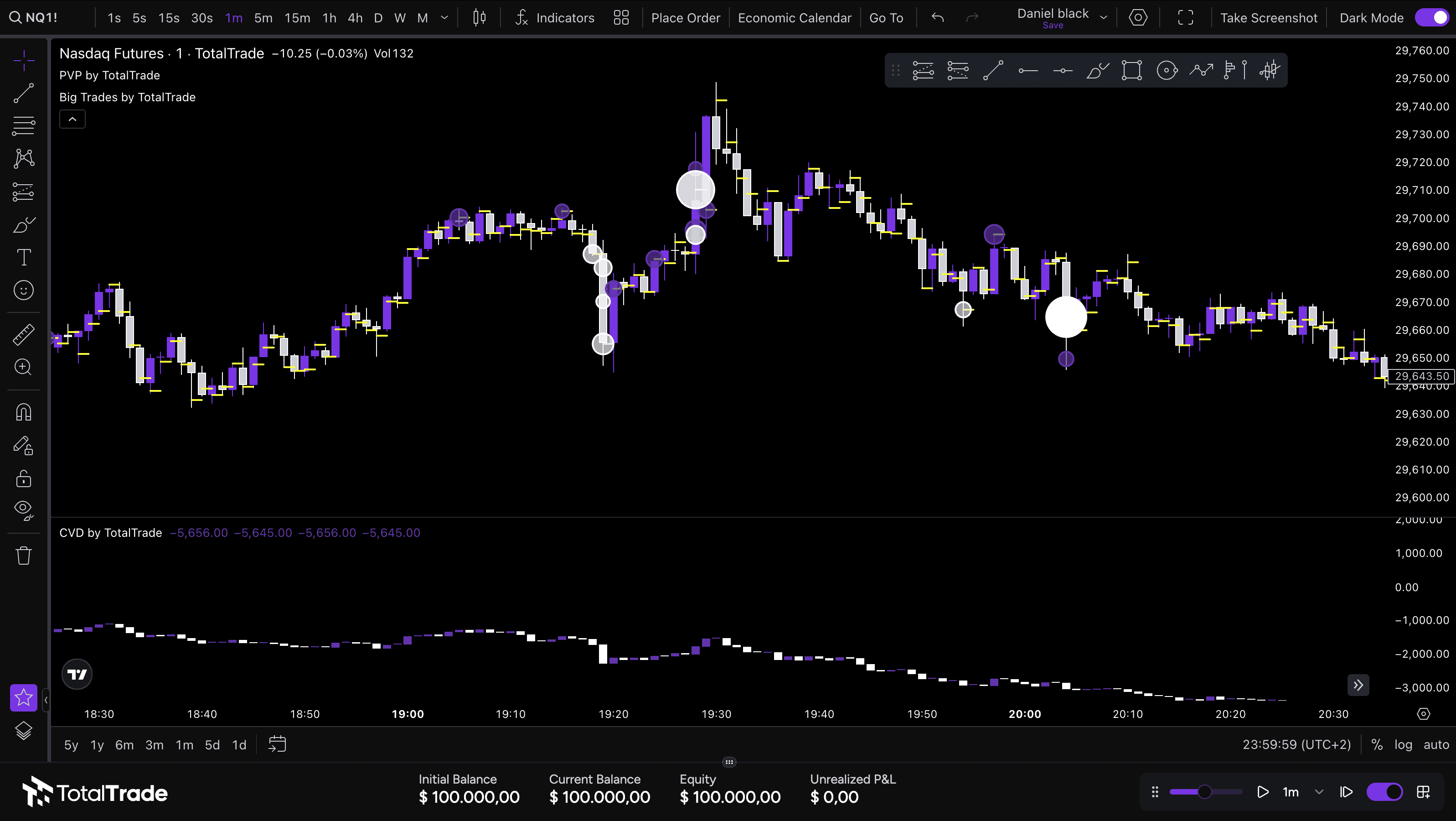
The future is already visible on a completed chart. Forex Replay hides the candles that have not formed yet, so every decision uses only the information available at that moment. Move at a controlled pace, record the order as you would have placed it and do not rewind to improve a decision.
4. Measure the right things
Win rate means little on its own. A strategy can win often and still be fragile when its average loss is much larger. Read the metrics together and keep strategy performance separate from execution quality.
- Number of trades and setup frequency
- Win rate and the average relationship between outcomes
- Drawdown and losing streaks
- Average result per trade
- Costs, slippage and execution assumptions
- Rule adherence and execution mistakes
5. Separate development from validation
Use one part of the data to develop the rules and a period you have not seen to validate them. Reworking a strategy on the same sample can make it fit historical noise. Every important change should create a new version that you can compare with the same set of metrics.
Common mistakes
Most unreliable tests fail because the process changes along the way, not because the charting tool is missing a feature.
- Changing rules during the test without recording it
- Ignoring costs and realistic execution
- Drawing firm conclusions from too few trades
- Discarding unfavourable periods
- Confusing a profitable trade with good execution
- Optimising too many parameters without separate validation
A simple checklist
Before the test, define the rules, objective and sample. During the test, keep every change visible and use realistic execution with concise notes. After the test, check the data, compare the metrics and choose one idea to verify on the next sample. TotalTrade keeps replay, trades and analytics in the same workflow, so the comparison does not depend on separate files.